
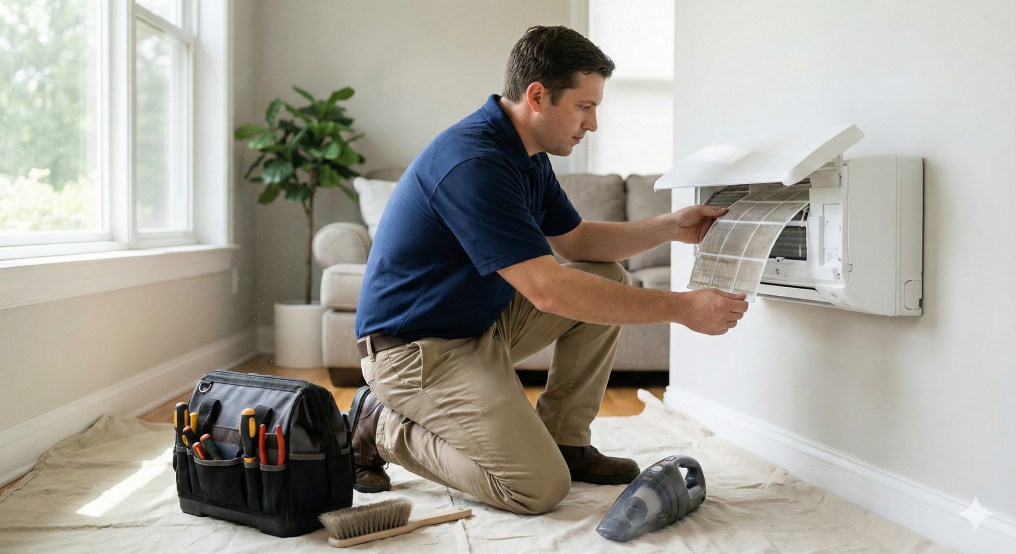
Prevent Fall Allergies with These HVAC Tips for Healthier Air at Home
Ah, autumn. It’s the season of crisp air, changing leaves, and pumpkin spice everything. But for millions of people, the arrival of fall also means the arrival of something much less pleasant: seasonal allergies.
As temperatures drop, we tend to close our windows and spend more time indoors. Unfortunately, this can trap pollutants inside, making your home a haven for sneeze-inducing irritants.
At Everest Air Conditioning And Refrigeration Pty Ltd, we know that your heating and cooling system is more than just temperature control—it’s the “lungs” of your home. If not properly maintained, your HVAC system can actually circulate allergens. However, with the right steps, it can become your best defense against them.
Here is how you can utilize your HVAC system to prevent fall allergies and breathe easier this season.
Why Are My Allergies Worse Inside During Autumn?
Before we fix the problem, it helps to understand it. You might think escaping the outdoors means escaping the pollen, but indoor air quality can sometimes be worse than outdoor air.
Common autumn indoor triggers include:
- Ragweed Pollen: Even if you are inside, pollen tracks in on clothes, pets, and shoes, eventually getting sucked into your air vents.
- Mold Spores: Damp fallen leaves create a breeding ground for mold outside. Inside, humidity issues can encourage mold growth in ducts or basements.
- Dust Mites: When you turn on your heating system for the first time in months, it stirs up settled dust and mite droppings, blasting them into your living space.
Your HVAC system circulates all the air in your home multiple times a day. The goal is to ensure it’s filtering out these bad actors, not just moving them from room to room.
4 Essential HVAC Tips to Fight Fall Allergies
1. Upgrade Your Air Filter (The First Line of Defense)
If you only do one thing on this list, make it this one. Your system’s air filter is the primary barrier between you and airborne particulate matter.
During summer, a standard filter might have sufficed. But as allergy season hits, you need something stronger.
The Fix: Check the MERV (Minimum Efficiency Reporting Value) rating of your filter. Standard filters usually range from MERV 1-4. To effectively capture smaller allergens like mold spores, pollen, and fine dust, upgrade to a filter with a MERV rating between 11 and 13.
Caution: Don’t go too high without consulting professionals like Everest Air Conditioning And Refrigeration. A HEPA-level filter might restrict airflow too much for some residential systems, potentially causing damage.
2. Schedule Professional HVAC Maintenance
Before you switch your system over to heating for the cooler months, it needs a professional tune-up.
Over the summer, condensation can build up within the unit, creating a perfect environment for mold and bacteria. Furthermore, dust has likely accumulated on the internal coils. When the heat turns on, this “burnt dust” smell isn’t just unpleasant; it’s an irritant to your respiratory system.
The Fix: A seasonal maintenance check by an Everest Air Conditioning And Refrigeration technician ensures coils are cleaned, drainage lines are clear of mold-causing clogs, and the system is running efficiently.
3. Manage Indoor Humidity Levels
Autumn weather can be tricky—sometimes damp and rainy, sometimes very dry. Both extremes are bad for allergy sufferers.
- Too humid (above 50%): Encourages dust mites and mold growth.
- Too dry (below 30%): Dries out your nasal passages and throat, making you more susceptible to irritation and infection.
The Fix: Aim to keep your home’s humidity levels between 35% and 50%. Depending on your climate, you may need to utilize a dehumidifier on damp days or consider a whole-home humidifier integrated into your HVAC system as winter approaches.
4. Consider Whole-Home Air Purification
If you suffer from severe allergies or asthma, standard filters sometimes aren’t enough. You may need active cleaning technology to truly sanitize the air.
The Fix: Talk to the team at Everest about integrated indoor air quality solutions, such as:
- UV Germicidal Lights: Installed within the ductwork, these lights kill mold spores and bacteria as air passes past them.
- Whole-Home Air Purifiers: These systems work in conjunction with your HVAC unit to provide hospital-grade filtration for the entire house, capturing ultra-fine particles that standard filters miss.
Breathe Easier This Season with Everest
Don’t resign yourself to months of sneezing and itchy eyes inside your own home. By taking proactive steps with your HVAC system, you can significantly reduce indoor allergens and create a healthier sanctuary for your family.
If you need help upgrading your filters, want to explore air purification options, or are due for your seasonal maintenance check, trust the experts.
Contact Everest Air Conditioning And Refrigeration Pty Ltd today to schedule your indoor air quality consultation.